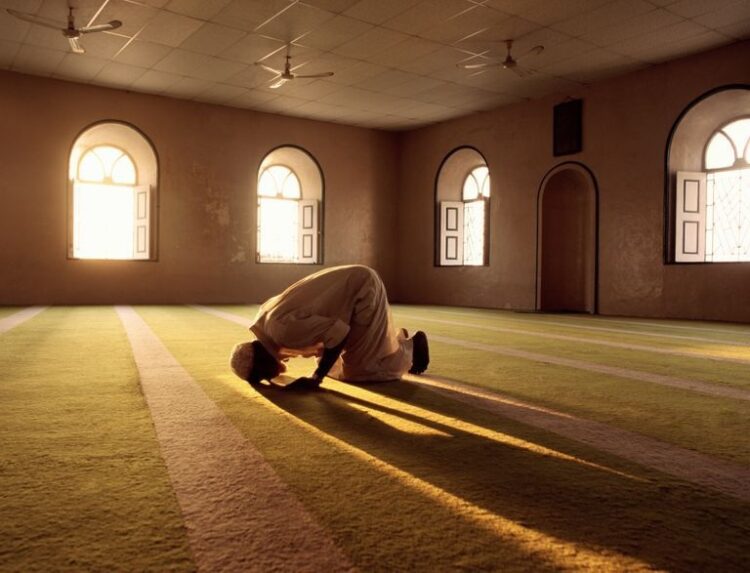
All classifications must be followed for a perfected prayer, the distinction becomes relevant when determining the validity of the prayer. In terms of acceptance, that is for Allah عزَّوجل. The Classification The Classification of each action in detail when the Farḍ salah alone
Category: Fiqh

The Fiqh of Divorce in the Hanafi school
In Islam, marriage is the lawful union of a man and woman based on mutual consent. If one wants to break the union, Islam gives a way out, i.e., allows a divorce to take place. The Shariah provides guidelines for the process of divorce with emphasis on both parties upholding the values of justice and…Continue reading The Fiqh of Divorce in the Hanafi school

Salah Times according to the Four Schools
Muslims are required to pray Salah at designated times every day. Although there are many hadith which demarcate the beginning of each of the five prayers, there are differences amongst the four schools. Scholarly opinions differ even further when determining the times in high latitude countries. The beginning of each prayer is determined by the…Continue reading Salah Times according to the Four Schools

Khalwa (Seclusion) between Men and Women
Khalwa means seclusion but is referred to as when a man is alone with another woman, whether Muslim or non-Muslim, who is not of unmarriageable kin (mahram) within an enclosed area in such a way that a third party is unable to see or enter upon them. The prohibition of this stems from the idea…Continue reading Khalwa (Seclusion) between Men and Women
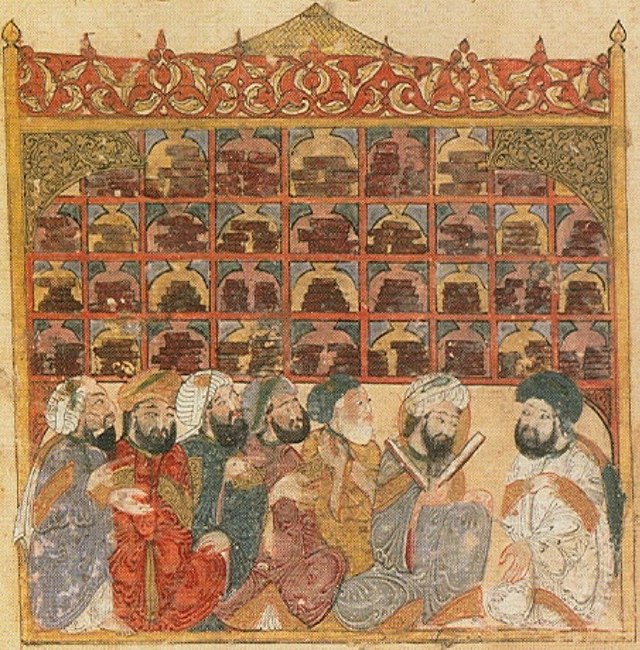
Fiqh Councils across the World
A collection of Fiqh council that may be found around the world.
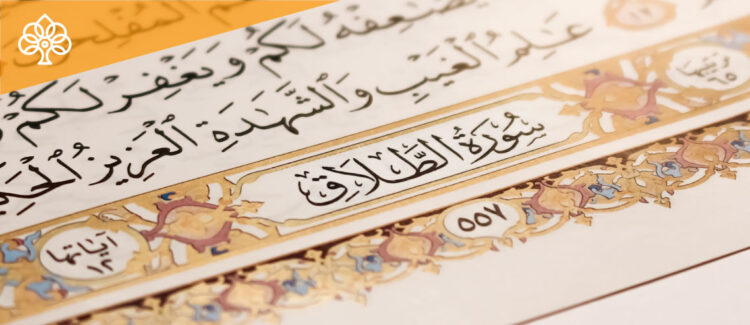
Delegating the Right of Divorce (tafwid)
The Husband retains the right to issue a divorce, but the Shariah also allows the husband to delegate this right to his wife or a third party, with or without stipulating conditions. Once this power is delegated, it can not be revoked or withdrawn, unless a condition stipulates a time limit or some other break…Continue reading Delegating the Right of Divorce (tafwid)

Men praying besides Women according to the Hanafis
There are a number of situations in where men may need to pray with women in the same space but are any of these allowed? Is there a difference between the congregational prayer and individual prayer? Difference between spouse and non-spouse? Can women lead the prayer? The Ruling The Hanafi compendium, al-Hidaya, states, “Men will…Continue reading Men praying besides Women according to the Hanafis

Placing Conditions in the Marriage Contract
In some cases, either spouse can add conditions to a marriage contract, but depending on their nature, they may be valid or invalid. Conditions relating to rights If the contract emphasises rights ordained by the Sharia, e.g. the wife shall receive financial support, clothing and shelter or the wife will be obedient to the husband…Continue reading Placing Conditions in the Marriage Contract

Ask Shaykh Yasir Qadhi Q&A series
Yasir Qadhi has a YouTube Q&A series called ‘Ask Shaykh YQ,’ which I find fascinating to listen to given his Salafi background and approach to answering the questions. He was formally taught as a Salafi/Madkhali/Wahhabi scholar but, realised the group’s cultish nature over time. He is now a well-rounded scholar, a Hanbali, and an admirer…Continue reading Ask Shaykh Yasir Qadhi Q&A series

70 Major Sins by Imam Dhahabi
Major sins are those sins that are clearly forbidden in the Quran and Sunnah. Allah said : “If you avoid the major sins of what you have been forbidden to do, We will cancel out for you your (other) evil deeds and will admit you (to Paradise) with a noble entry.” (Surah Al Nisa’ 4:31)…Continue reading 70 Major Sins by Imam Dhahabi